
How to Measure Common Types of Furniture Before Your Move
Author Information Preview

Moving furniture without proper measurements is like trying to solve a puzzle blindfolded. Accurate furniture measurements prevent costly delays, potential damage, and the frustration of realizing your belongings won't fit in your new space. Whether you're relocating across Rockville, Maryland, or moving from Baltimore to Montgomery Village, knowing exactly how to measure furniture before moving saves time, money, and stress. This moving furniture dimensions guide walks you through every step of the measurement process, from gathering the right tools to avoiding common mistakes. We'll share professional techniques that help ensure your move goes smoothly from start to finish.
Why Accurate Furniture Measurements Matter for Your Move
Precise furniture dimensions directly impact every aspect of your relocation. Understanding why measurements matter helps you prioritize this crucial step in your moving preparation.
- Accurate moving quotes: When you measure furniture for movers accurately, you help companies like Bulldog Movers determine the right truck size and equipment needed.
- Identifies problems early: Measurements reveal issues weeks in advance. Your antique armoire might be too tall for your new doorways, or your bed frame could be too wide for the staircase in your apartment or home..
- Protects your belongings: Accurate dimensions prevent forcing furniture through tight spaces that cause scratches and structural damage to both your furniture and property.
- Saves time and money: Professional measurements eliminate guesswork and lead to more accurate estimates. Taking time to measure carefully prevents costly delays and unexpected expenses.
Essential Tools You Need to Measure Furniture
You have two equally effective approaches when gathering your furniture measuring tips for moving. Choose the method that feels most comfortable and practical for your situation.
The Digital Approach
Smartphone apps designed specifically for measuring spaces and objects make modern furniture measurement quick and convenient. Apps like MagicPlan, RoomScan, or your phone's built-in measuring tools utilize augmented reality to capture dimensions accurately. Simply point your camera at the furniture piece and follow the app's prompts. These digital tools automatically save measurements and let you share data instantly with your moving company.
The Traditional Method
The classic approach relies on a 25-foot measuring tape, pencil, and notepad for hands-on precision. Many professional movers still prefer this technique because it provides tactile feedback and works in any lighting condition. Write down each measurement immediately and label it clearly on your notepad. Keep your notes organized by room or furniture type for easy reference later.
Both methods deliver accurate results when used correctly. The key is consistency in your approach and double-checking critical measurements that determine whether furniture fits through doorways and into your new home.
How to Measure 5 Common Types of Furniture
Measuring Sofas and Sectionals
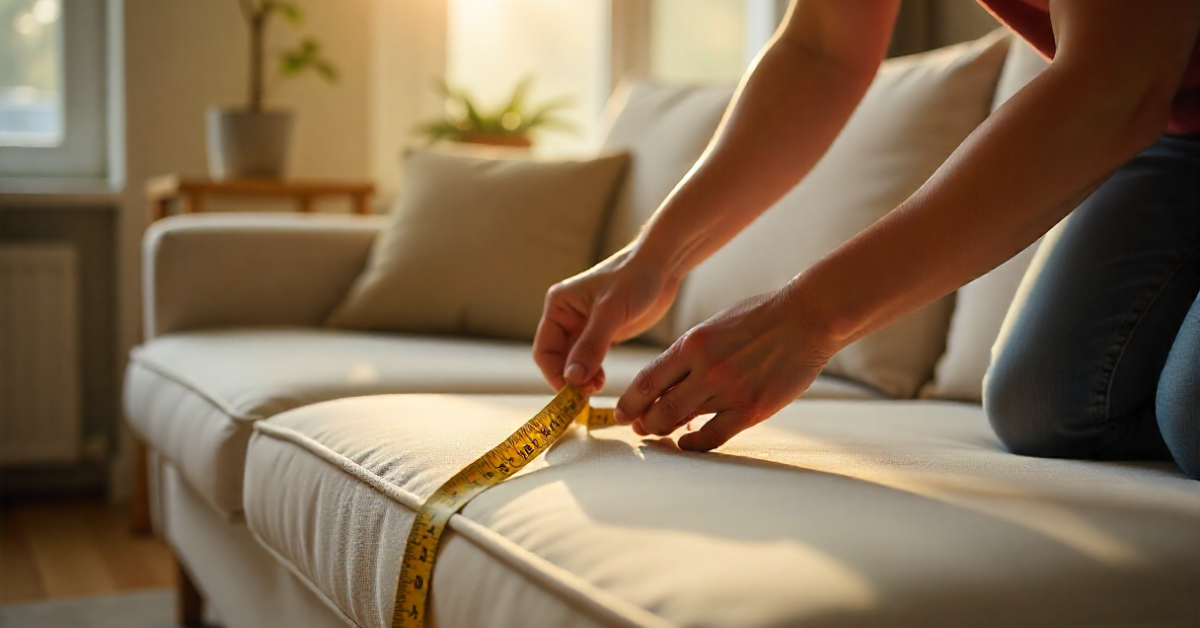
Sofas require careful attention to multiple dimensions that determine how they navigate through doorways. Start with your sofa sitting in its normal position and measure the exterior dimensions at the widest points.
- Height: Measure from the floor to the tallest point of the sofa, typically the top of the back cushions. This determines the vertical clearance needed when moving through doorways.
- Width: Measure from the outer edge of one arm to the outer edge of the opposite arm at the widest point. Arms often extend several inches beyond the seating area.
- Depth: Measure from the front edge of the seat cushion to the back of the sofa at the deepest point. Include any decorative elements or rolled arms.
- Diagonal depth: This critical measurement often determines whether your sofa makes it through doorways. Measure from the top back corner down to the bottom front corner on the opposite side.
- Leg height and removal: Check if the legs detach from your sofa frame and measure the leg height separately. Removing legs adds several inches of clearance and often makes the difference between a smooth move and a stuck piece.
Measuring Beds and Mattresses
Bed frames and mattresses require separate measurements since they often move as distinct components. Accurate dimensions ensure your sleeping arrangements fit comfortably in your new bedroom.
- Frame height: Measure from the floor to the top of the bed frame structure, excluding the mattress. This includes any footboard or decorative elements.
- Frame width and length: Measure the bed frame from its outermost points, including any side rails. Don't assume standard sizes since custom frames often vary from modern dimensions.
- Headboard dimensions: Measure the headboard separately since it's often the tallest component and may need removal for transport. Record the height, width, and depth.
- Mattress length, width, and thickness: Standard sizes vary slightly between manufacturers, so measure your actual mattress. The thickness matters when calculating how mattresses fit through doorways or up staircases.
Measuring Dining Tables and Desks
Tables present unique challenges because their legs and support structures affect how they navigate through tight spaces. Proper measurements account for both the tabletop and the undercarriage.
- Tabletop length and width: Measure the table surface at its longest and widest points. For round or oval tables, measure the diameter or the longest dimension across the center.
- Height: Measure from the floor to the top surface of the table. This typically ranges from 28 to 30 inches for dining tables.
- Leg span and configuration: Measure the distance between legs at the widest point. This configuration impacts how tables navigate through doorways and whether legs can be removed for easier transport.
- Extension leaves: Extension tables need measurements both with and without extensions inserted. Document how many leaves you have and measure each leaf individually.
Measuring Dressers and Armoires
Storage furniture combines solid construction with moving parts that require careful measurement planning. These pieces often rank among the heaviest items in your home.
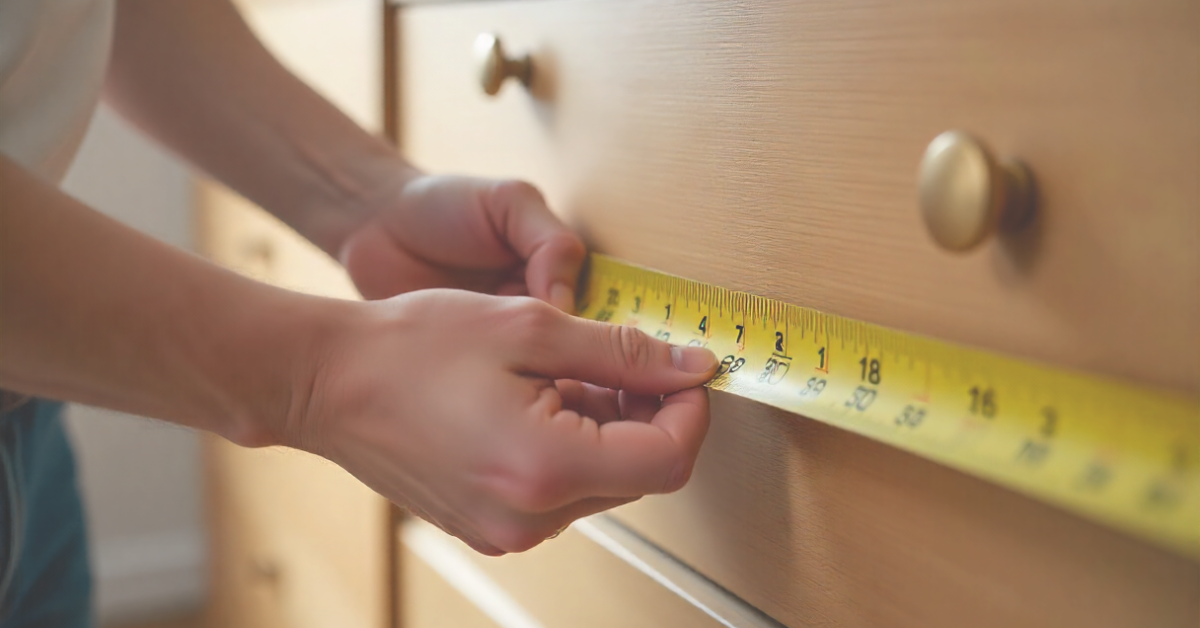
- Overall height, width, and depth: Measure with all drawers fully closed. Record dimensions from the absolute outermost points, including any decorative feet or crown molding.
- Drawer extension: Pull out the deepest drawer and measure how far it extends beyond the dresser front. Drawers often slide open during transport if not properly secured.
- Mirror dimensions: Check if mirrors attach to dresser backs and measure them separately. Mirrors add significant depth and require special protection during moves.
- Door swing clearance: Armoires require careful attention to how far doors project when opened. Measure the width with doors closed, then fully opened.
Measuring Bookcases and Cabinets
Tall storage units require special measurement attention since they often tip or lay horizontally during transport. The relationship between height and depth determines the best moving approach.
- Overall height, width, and depth: Measure from the absolute outermost points, including any decorative crown molding or feet. Measure with shelves installed since shelf thickness affects overall weight distribution.
- Depth when horizontal: Tall bookcases over six feet high may need to be moved horizontally through doorways. Measure the depth carefully since this becomes the critical dimension when tipping furniture on its side.
- Decorative elements: Crown molding, feet, and other protruding features often determine actual clearance needs. Note if they're removable for easier transport through tight spaces.
Weight matters significantly for bookcases filled with books. The Maryland State Archives notes that a single shelf of books can weigh over 100 pounds. Empty your bookcases before measuring and moving to prevent structural damage.
Measuring Doorways, Hallways, and Staircases
Creating a furniture measurement checklist for pathways ensures nothing gets overlooked. These measurements are just as important as your furniture dimensions when planning a successful move.
Doorway Measurements
Doorways serve as critical checkpoints that determine whether furniture successfully navigates from one space to another. Accurate doorway measurements prevent the frustration of discovering on moving day that your belongings won't fit.
- Width measurement: Measure from frame to frame at the narrowest point, not from door edge to door edge. Always measure at the top, middle, and bottom since older homes may have uneven frames.
- Height measurement: Measure from the threshold to the top of the door frame. Subtract at least one inch from these measurements to account for safe maneuvering space.
- Door removal options: Check the door swing direction and note if doors can be removed from hinges temporarily. Removing doors adds several inches of clearance and prevents door damage during furniture transport.
- Threshold height: Measure from the floor to the top of any threshold lips or transitions between rooms. The Montgomery County Department of Permitting Services provides accessibility guidelines that include standard threshold measurements for Maryland homes.
Hallway and Staircase Dimensions
Hallways and staircases present complex measurement challenges because furniture must navigate both horizontal and vertical spaces simultaneously. These pathways require comprehensive documentation.
- Hallway width at narrowest point: Walk the entire hallway length looking for any obstacles like radiators or light fixtures that reduce clearance. Measure around these obstacles to determine true passable width.
- Staircase width: Measure from wall to wall or between railings at the narrowest point. Account for any handrails that protrude into the staircase space.
- Staircase turns and landings: Measure the landing dimensions and note the turn angle. A 90-degree turn requires different furniture maneuvering than a 180-degree switchback.
- Overhead clearance on stairs: Measure from the stair tread to the ceiling or to any overhead light fixtures. Families moving through historic neighborhoods like Federal Hill in Baltimore often encounter narrow staircases in row homes built over a century ago.
Solutions When Furniture Doesn’t Fit
Disassembly offers the most practical solution when measurements reveal tight clearances. Many beds, tables, and sectional sofas break down into smaller components that navigate doorways easily. Keep all hardware in labeled bags taped to the corresponding furniture piece. Take photos during disassembly to document the original configuration.
Alternative entry points sometimes provide better furniture access than front doors. Sliding glass doors, garage entries, or even second-floor windows might offer wider openings. Measure these alternative routes and consider whether they provide viable options.
Storage units provide temporary solutions when furniture fits your current home, but measurements show problems at your destination. Climate-controlled storage protects your belongings until you find permanent solutions like selling, donating, or moving to a different property with adequate space.
Common Furniture Measuring Mistakes to Avoid
Even careful planners make measurement errors that create moving day complications. Recognizing these common mistakes helps you avoid them and ensures your furniture measurement checklist provides reliable guidance.
- Forgetting diagonal measurements: People measure height, width, and depth, but skip the diagonal dimension that determines doorway clearance. Always measure diagonally across the longest furniture dimension, especially for sofas and mattresses.
- Measuring with furniture against walls: Pull furniture away from walls to access all sides and measure the true exterior dimensions. That extra inch hidden behind your dresser could make the difference in tight doorway situations.
- Assuming standard doorway sizes: Doorways in older Maryland homes, particularly in historic areas like Annapolis' downtown district, often measure narrower than modern building codes require. Always measure your specific doorways.
- Rounding measurements: Record exact measurements to the quarter inch. That extra half inch you rounded off might be exactly what prevents furniture from fitting through a doorway.
- Not accounting for door trim and molding: Measure the clear opening inside decorative trim pieces. Molding protrudes from the walls and creates obstacles for furniture edges during transport.
- Forgetting to measure pathways between rooms: Furniture must navigate turns and angles through multiple spaces. A piece might fit through each doorway individually, but can't make the 90-degree turn in your hallway.

How Professional Movers Use Your Measurements
When you measure furniture for movers and provide detailed dimensions, you enable professional moving companies to plan effectively. Each piece's measurements translate into cubic feet that determine whether your belongings fit in a 16-foot truck or require a larger 26-foot vehicle. Accurate measurements prevent multiple trips and reduce overall moving costs.
Equipment needs become clear through proper measurements. Oversized furniture requires furniture dollies, moving straps, or specialized equipment. When we know dimensions in advance, we bring the right tools and avoid delays caused by inadequate equipment.
Labor time estimates depend heavily on furniture size and weight, combined with pathway measurements. A three-person crew might be sufficient for standard furniture, but oversized pieces navigating narrow staircases could require four or five movers. Your measurements help us schedule appropriate crew sizes.
Bulldog Movers uses your measurement data to identify potential challenges during the initial consultation. This proactive approach allows us to discuss solutions before moving day rather than discovering problems with a truck waiting outside. Following a complete step-by-step resource for your moving preparation ensures nothing gets overlooked.
The Maryland Department of Transportation notes that proper planning reduces moving-related traffic delays and improves efficiency throughout the DMV area.
Conclusion
Measuring furniture before your move represents one of the most valuable investments of time in your entire relocation process. These measurements prevent moving day disasters, protect your furniture from damage, and help professional movers provide accurate quotes and efficient service. Taking 30 minutes to measure each piece carefully saves hours of frustration and potentially hundreds of dollars in unexpected costs or repairs.
Bulldog Movers encourages all DMV area residents to complete thorough furniture measurements before scheduling their move. Contact us today for a consultation where we'll review your measurements and create a customized moving plan that ensures every piece arrives safely at your new home.