
How to Make a Moving Binder for an Organized Move
Author Information Preview

Moving to a new home involves juggling countless tasks, from packing belongings to coordinating with service providers. A well-organized moving binder becomes your command center during this transition, keeping essential documents, checklists, and contact information in one accessible place. This comprehensive guide walks you through creating a moving binder that eliminates stress and ensures nothing falls through the cracks. Whether you're relocating across Maryland or planning a long-distance move, having a structured organizational system makes the entire process smoother and more manageable.
Keep Your Relocation on Track with a Moving Binder
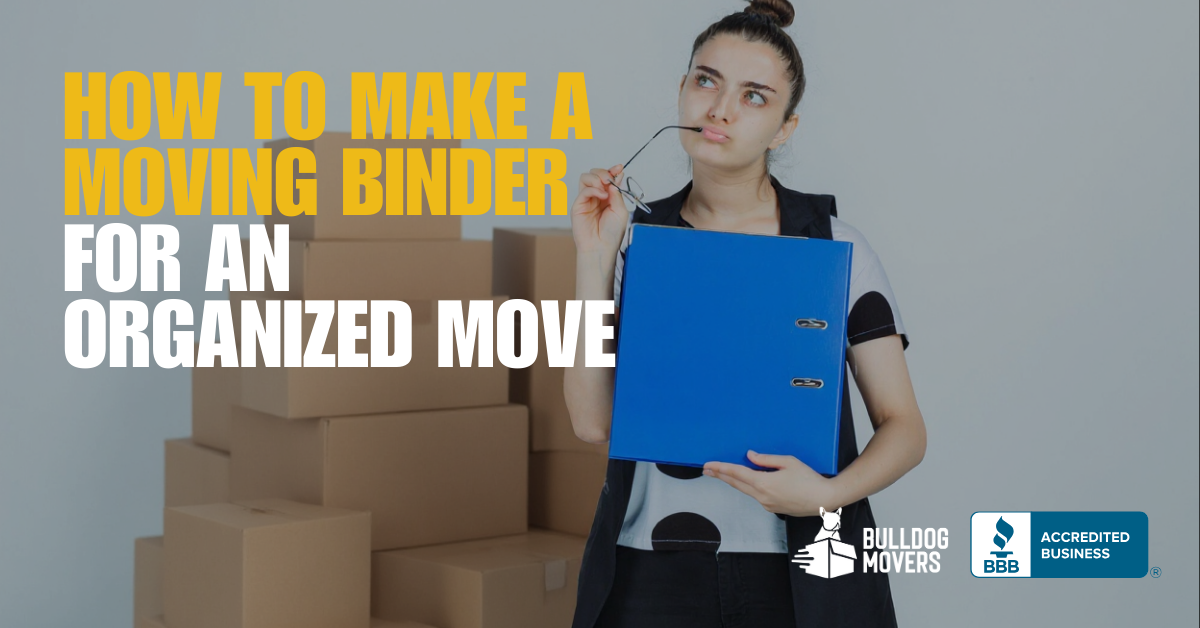
A moving binder is a centralized organizational system that houses all documentation, schedules, and information related to your relocation. This physical or digital compilation serves as your single source of truth throughout the moving process. Did you know that an organized moving experience 40% less stress during relocation compared to those without a systematic approach?
The moving binder eliminates the chaos of searching through scattered papers, emails, and receipts when you need critical information quickly. You'll have instant access to moving company contracts, utility transfer confirmations, and inventory lists. This organization proves invaluable when questions arise about delivery schedules or expense tracking for tax deductions.
Key Components to Include in Your Moving Binder
Creating dedicated sections within your moving binder ensures you can locate any document or piece of information within seconds. Each section serves a specific purpose in your relocation journey. These organizational categories work together to create a comprehensive reference system that guides you from planning through unpacking.
Important Documents and Paperwork
Your documents section should contain copies of your lease or closing paperwork, moving company contracts, and insurance policies. Include vehicle registration updates, school transfer records, and medical records for family members. The Maryland Department of Transportation requires address changes within 30 days of moving, so keep relevant forms in this section.
Store photocopies rather than originals when possible to prevent loss during the move. Add plastic sheet protectors to safeguard documents from spills or damage.
Moving Timeline and Checklists
A detailed timeline breaks down your move into manageable phases, typically spanning 8 to 12 weeks before moving day. Your checklist should include tasks like researching moving companies, decluttering rooms, and scheduling utility transfers. Following a complete step-by-step moving process ensures you're not missing crucial preparation steps.
Mark deadlines for time-sensitive tasks like transferring Maryland vehicle registration or updating voter registration. Break large tasks into smaller action items with specific completion dates.
Inventory Lists by Room
Comprehensive inventory lists protect your belongings and streamline the unpacking process at your destination. Document each room separately, noting item descriptions, conditions, and estimated values. Photograph valuable items and attach printouts to your inventory pages.
Number your moving boxes and correlate them with specific inventory entries. High-value items over $500 should include serial numbers and purchase receipts.
Receipts and Moving Expenses
Track every moving-related expense, from packing supplies to professional moving services. The IRS allows tax deductions for certain moving expenses if your relocation meets specific criteria. Organize receipts chronologically and note the purpose of each expense.
Create a running total of costs to stay within your moving budget. Maryland residents should keep receipts for any state-specific fees or registration costs.
Contact Information for Movers and Service Providers
Maintain a comprehensive contact list including your moving company representative, utility providers, and real estate agents. Bulldog Movers recommends keeping both office numbers and direct contact information for your assigned moving coordinator. Add customer service numbers for internet providers, security system companies, and appliance repair services.
Include account numbers and service addresses for each provider. Emergency contacts like locksmiths and electricians should also appear in this section.
Floor Plans and Home Measurements
Accurate floor plans and measurements prevent furniture placement headaches at your new home. Sketch room layouts with dimensions for doorways, hallways, and room sizes. Measure large furniture pieces to confirm they'll fit through entryways and into designated spaces.
Mark the electrical outlet locations and cable connection points on your floor plan. These details help you plan furniture arrangement before moving day arrives.

What You Need to Create a Moving Binder
Setting up your moving binder requires minimal supplies but thoughtful organization. Purchase a durable 2-inch or 3-inch three-ring binder that can withstand frequent handling over several weeks. Choose a binder with interior pockets for storing loose papers and business cards.
Gather tabbed dividers to separate your major sections clearly. Plastic sheet protectors keep important documents clean and protected from damage. A zippered pencil pouch attached to the binder rings holds pens, highlighters, and sticky notes for quick annotations.
How to Create Your Moving Binder From Start to Finish
Building an effective moving binder requires systematic assembly and ongoing maintenance. Follow these steps to create an organizational system that serves you throughout your relocation. The initial setup takes approximately two hours but saves countless hours of stress later.
Gather All Necessary Materials
Collect your binder, dividers, sheet protectors, and writing supplies before you begin assembly. Print blank checklists, inventory templates, and expense tracking sheets from reliable moving resources.
Create Labeled Sections with Dividers
Insert tabbed dividers for each major category you identified in your planning phase. Label each tab clearly using a label maker or neat handwriting.
Add Your Documents and Checklists
Begin populating each section with relevant paperwork and templates. Place your moving timeline and master checklist in the front section for easy daily reference.
Update Your Binder Regularly
Schedule weekly review sessions to add new documents, check off completed tasks, and adjust timelines. Moving circumstances change frequently, and your binder should reflect current information.
Keep Your Binder Accessible at All Times
Store your moving binder in a consistent, easily accessible location throughout your move. On moving day, keep the binder with you rather than packing it with other belongings.

Tips for Keeping Your Moving Binder Current and Useful
Consistency in binder maintenance separates effective organization from abandoned systems. Review your binder every Sunday evening to add receipts, update checklists, and note upcoming tasks. Color-code sections or use highlighters to prioritize urgent items requiring immediate attention.
Create a table of contents on the inside front cover listing all sections and their contents. Share digital copies of critical documents with a trusted friend or family member as backup. The Consumer Financial Protection Bureau recommends maintaining both physical and digital copies of financial records related to major life changes.
Conclusion
Creating a moving binder transforms a potentially chaotic relocation into a manageable, organized process. This centralized system keeps critical documents, timelines, and contact information at your fingertips throughout every stage of your move. Maryland residents planning their next relocation can eliminate stress by implementing these organizational strategies from day one.
Bulldog Movers understands that successful moves start with thorough planning and organization. Contact the Bulldog Movers team today to discuss how professional moving services combined with your detailed moving guide create the ultimate recipe for a smooth, efficient relocation experience.