
How to Pack a Pantry Before Moving When You Have Less Than a Week
Author Information Preview

Knowing how to pack a pantry before moving sounds simple. Then you have five days left and a full kitchen staring at you. Most Rockville homeowners don't get a calm two-week runway. A job offer shows up on a Tuesday. The lease ends Friday. The pantry is loaded with half-used condiments and three kinds of pasta. That's the situation this guide addresses.
Standard packing advice like sorting by category, donating what you don't need, and wrapping everything neatly falls apart fast under real time pressure. A short-timeline pantry pack needs a sharper, faster approach.
How to Pack a Pantry Before Moving in 5 Days or Less
When time is short, the goal changes. You stop organizing and start triaging. The point is to move quickly through every shelf and make fast, clear decisions. Work in three lanes, not ten categories.
Lane 1: Keep and Pack
These are items you'll use within two weeks of arriving at your new place. Sealed dry goods, unopened cans, and full bottles of staples like oil and vinegar belong here. Pack them in sturdy, mid-weight boxes and label them "Kitchen: Open First."
One thing most guides skip when packing pantry items: pack by weight, not by type. Heavy cans go in small boxes. Lighter dry goods go in medium ones. A box of mixed heavy and light items is the fastest route to a back injury on moving day.
Lane 2: Use It or Toss It
Opened jars, partial bags of flour, half-empty spice jars, and anything expiring within the month go here. If you can finish it in four days, cook with it. If not, toss it. This is not the moment for sentimental attachment to specialty hot sauce.
Perishables from the fridge and freezer fall in this lane too. Defrost the freezer 48 hours before the move. Most carriers, including movers and packers in Maryland, won't transport open or leaking food items for liability reasons. Don't box anything that could leak onto your other belongings.
Lane 3: Donate Fast
If you have a food-secure neighbor or a community fridge nearby, a donation drop on Day 1 or 2 is worth it. Don't sort it perfectly. Just bag up the untouched non-perishables and move them out. The goal is reducing your packing volume, not running a food drive.
What to Do With Food When Moving on a Tight Timeline
Figuring out what to do with food when moving is really two problems. One is logistical: what can travel and what can't. The other is timing: when to stop buying groceries and start using what you already have.
Most people keep shopping right up to moving week. That's the mistake. Stop buying new food five to seven days before your move date. Plan meals around what's already in your pantry and freezer. You'll eat down your stock, reduce what you have to pack, and cut your packing time in one move.
A few categories need special handling before you box them up:
- Liquids and oils. Stand them upright in sealed zip-lock bags before boxing. Even capped bottles can leak under pressure.
- Glass jars. Wrap in packing paper or soft kitchen towels. Skip newspaper; the ink transfers.
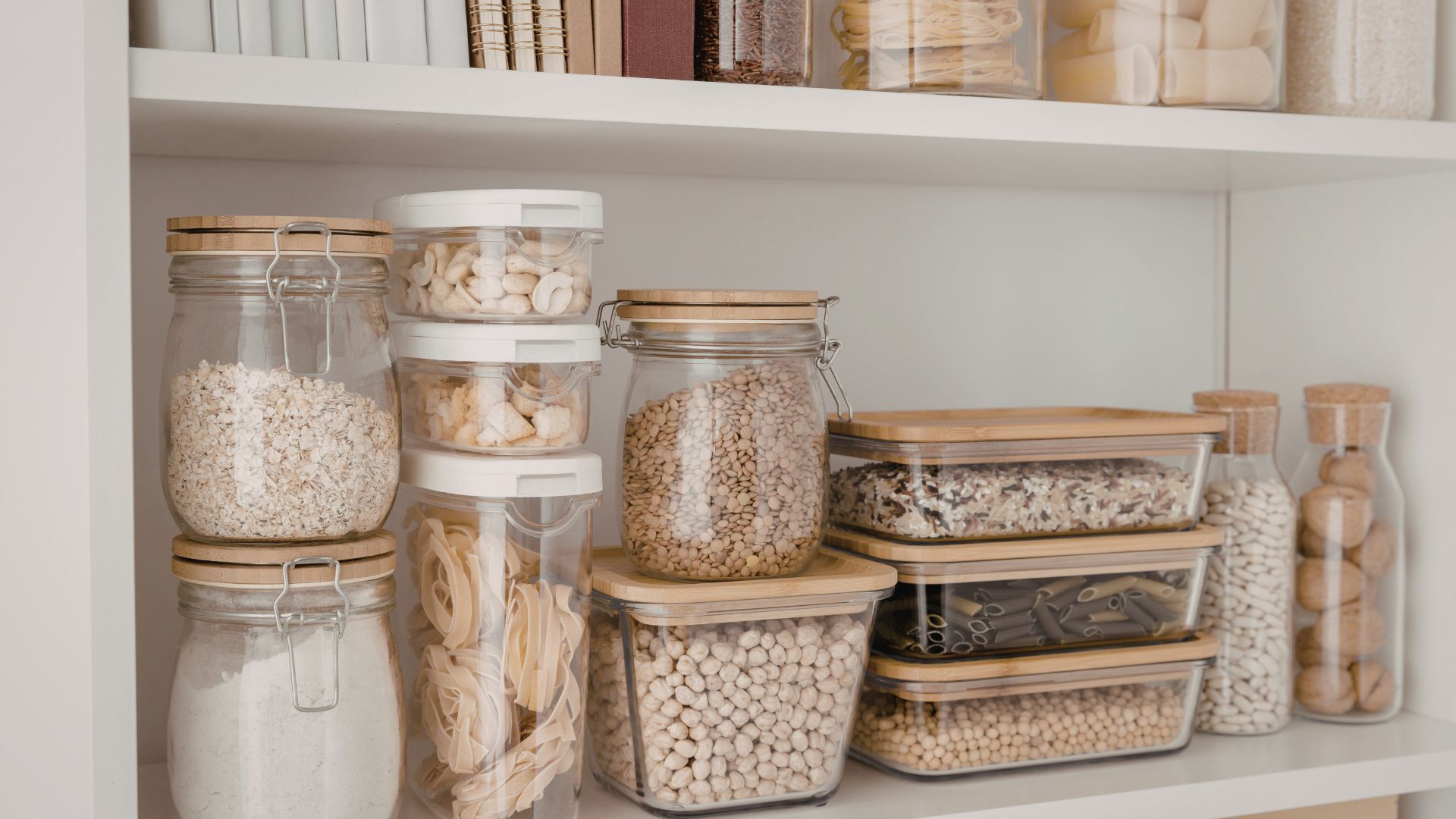
- Bulk dry goods. Move open bags of rice, lentils, or flour into zip-lock bags or sealed containers. Open bags puncture easily in transit.
- Spice jars. Tape the lids shut with painter's tape. Spice lids are notoriously unreliable in transit.
If you have more than two days left, use a soft cooler to carry fridge items in your car. A soft cooler with ice packs holds cold food safely for six to eight hours, which is plenty of time for a local move in the DC Metro area.
The 3-Day Threshold: When to Call for Help
Every short-timeline move has a breaking point. For most people, it arrives when fewer than three days remain and the pantry still hasn't been touched.
At that stage, packing the kitchen yourself while managing utilities, address changes, and child or pet logistics creates real risk. Boxes get packed wrong. Things break. The move runs late.
Local movers in MD who offer packing services can work through a full kitchen in a few hours. Residential moving companies in Maryland with BBB accreditation, like Bulldog Movers, bring their own materials and know how to handle fragile or heavy pantry items properly. If you're in Rockville or surrounding areas and you're down to 72 hours, a professional packing team is often faster and cheaper than the alternative: a botched move with damaged goods.
The point isn't giving up on doing it yourself. The point is knowing where your time runs out before the move runs off the rails.

How to Pack a Pantry for Moving Without Wasting Materials
Packing kitchen items for relocation burns through supplies fast, especially when you over-wrap things that don't need it. A few adjustments cut your material use without cutting protection.
Start with what you already own:
- Dish towels and cloth napkins work well as padding around glass jars
- Oven mitts protect awkward-shaped items like blenders or small appliances
- Pot lids stack cleanly with paper plates between them
Save the bubble wrap and packing paper for genuinely fragile items. Most sealed pantry goods like canned goods, dry boxes, and condiment bottles don't need individual wrapping. They need tight packing so they don't shift around in the box.
Label every pantry box with its destination room and a brief content note. "Kitchen: Dry Goods" is far faster to unpack than a mystery box. When you're drained after a long move day, that label is the difference between finding dinner in ten minutes and tearing through six boxes looking for pasta.
The Day-Before Pantry Strategy Most People Skip
The night before the move, most homeowners focus on furniture and big boxes. The pantry gets left for moving morning, which is exactly when you have the least time and energy.
Set aside 30 minutes the night before instead. Pull out anything missed in the earlier triage. Check the back of shelves. Do a quick sweep of the fridge. Box up the last essentials and label them clearly.
Keep one small bag of snacks and easy foods within reach through the move. Moving day is long, and hunger makes everything harder. Pack that bag last and keep it with you, not in the truck.
Packing pantry items well under time pressure comes down to one mindset shift. Stop trying to do it the organized way. Do it the fast way. Triage, pack by weight, use what you own, and know your threshold for calling in help. That system works when the clock is already running.